

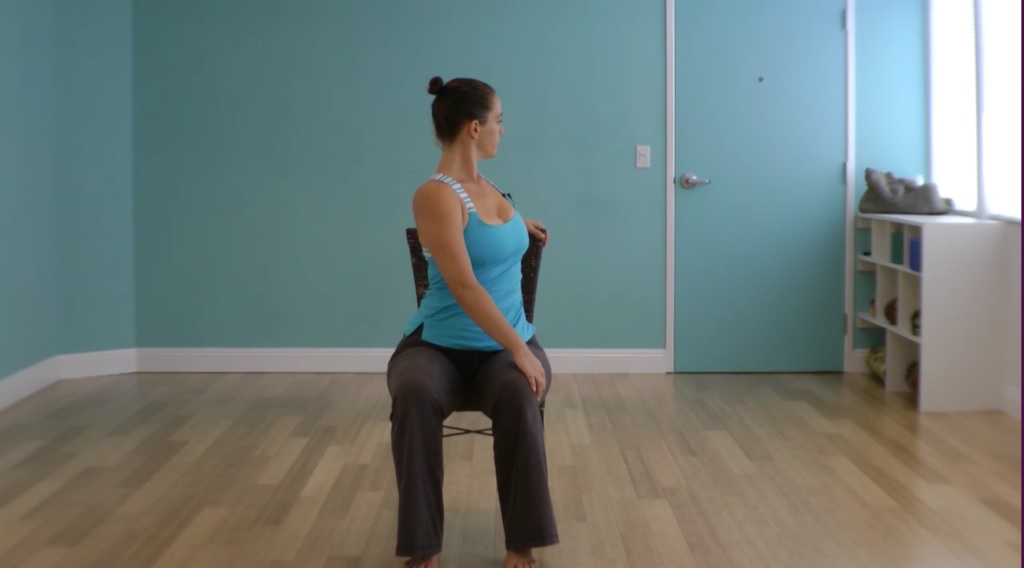
With the increasing popularity of remote work, compact HDB living, and wellness awareness across Singapore, many residents are turning to chair yoga as a practical way to stay active at home. It’s no surprise—this low-impact, space-efficient yoga format is ideal for those who don’t have room for a full-sized mat or prefer gentle movements. Best of all, it fits seamlessly into Singapore’s typical home layouts, whether you’re in a studio apartment, BTO unit, or sharing space with family.
Unlike traditional yoga that may require open floor areas and props, chair yoga only needs a stable chair and a little commitment. It’s perfect for busy professionals, seniors, or even stay-at-home parents who want to take care of their physical and mental health without stepping out or investing in complex equipment.
This guide walks you through setting up a personalised chair yoga space in your HDB flat, building a routine that works for your lifestyle, and sustaining your practice in a way that’s simple yet effective.
Why Chair Yoga Works Well in HDB Homes
Singapore homes are known for their efficient use of space, not sprawling layouts. Chair yoga is specifically suited to compact environments for the following reasons:
- Minimal space required – You only need enough room for a chair and to extend your arms and legs comfortably.
- No mat necessary – This eliminates the need for floor space or cleaning after sweaty workouts.
- Quiet and low-impact – Chair yoga won’t disturb your neighbours, making it ideal for high-rise living.
- Flexible scheduling – Practise for 10 minutes in between chores or meetings without changing attire.
For those new to wellness or intimidated by conventional workouts, chair yoga offers an unintimidating entry point—one you can build into your daily home routine with ease.
Choosing the Right Space in Your HDB Unit
You don’t need a dedicated room for your home practice. A well-lit corner or an area near a window can serve as your yoga nook.
Things to consider:
- Lighting: Natural light enhances mood and alertness. Consider setting up near a window or under soft lighting in the living room.
- Noise control: Choose a time when the house is quieter—early morning or just after lunch can be ideal for solo practice.
- Chair choice: Use a sturdy, armless chair with a flat seat. Avoid chairs with wheels or reclining backs.
- Floor stability: Place your chair on non-slip flooring like tiles or parquet. Avoid rugs that slide.
Keep your chosen area clutter-free. Even a visual sense of openness can help you breathe more easily and focus inward.
Basic Equipment You Can Use (Optional)
Though you can practise chair yoga with nothing more than a chair and your breath, these household items can enhance your sessions:
- Bath towel: Can be folded and used for back support or under your feet
- Scarf or resistance band: Useful for shoulder stretches and leg lifts
- Water bottle: Hydration is important even with gentle movement
- Timer or mobile app: Helps you stay consistent with session lengths
No need to splurge on yoga-specific props—use what you already have.
How to Structure a Chair Yoga Session at Home
A home chair yoga session can be as short as 10 minutes or as long as 30, depending on your schedule. Here’s a beginner-friendly structure to get started:
1. Centering and Breathwork (2–3 minutes)
Begin by sitting upright with both feet flat on the floor. Close your eyes and focus on your breath. Try deep belly breathing—inhale for four counts, exhale for six.
This grounds your nervous system and sets the tone for the practice.
2. Warm-up Movements (5 minutes)
Incorporate gentle moves like:
- Shoulder rolls
- Neck stretches
- Seated cat-cow pose (inhaling to arch, exhaling to round your spine)
- Ankle circles to improve circulation
These motions awaken the joints and muscles, especially if you’ve been inactive all day.
3. Flow and Stretch Sequence (10–15 minutes)
Try a simple sequence of:
- Seated spinal twist
- Chair-supported leg raises
- Forward folds
- Seated eagle arms for upper back stretch
- Side stretches for the obliques and ribcage
Move slowly, matching movement with breath. Use a mirror or video guide to check posture.
4. Mindfulness Cool Down (5 minutes)
End with seated meditation or a body scan. Keep your hands on your lap and breathe gently, bringing awareness to each part of your body and how it feels.
You’ll leave the session refreshed, focused, and mentally lighter.
Creating a Weekly Routine that Works for You
Home-based routines are flexible, but consistency is key. Singaporeans juggling work, family, and personal time can build chair yoga into everyday life with these tips:
- Schedule it into your calendar like any other appointment
- Attach it to another habit (e.g., do it after making your morning kopi)
- Start small—10 minutes a day is enough to create results
- Track your mood and body post-practice to stay motivated
- Rotate focus areas each day—e.g., hips on Monday, shoulders on Tuesday, breathwork on Wednesday
Apps or printable trackers can help you visualise progress.
How to Stay Motivated Without a Class Environment
While attending a studio like Yoga Edition offers structure and community, home practice requires a different type of discipline. Here are some strategies:
- Set an intention for each session, such as “ease tension” or “gain clarity”
- Join a virtual group or challenge for accountability
- Play calming music or nature sounds to set the mood
- Record your practice (on video or in a journal) to reflect on growth
- Celebrate small wins, such as improved posture or reduced stiffness
Making the space feel special—even if it’s just your dining corner—can turn it into a mini sanctuary.
The Role of Chair Yoga in Holistic Home Wellness
Chair yoga at home doesn’t just offer physical benefits. It can become a central part of a holistic wellness routine that includes:
- Mental health support: Stress relief through deep breathing and presence
- Emotional regulation: Movement helps express and release stored tension
- Cognitive benefits: Improved focus and memory through mindfulness
- Spiritual balance: Time to reconnect with yourself in stillness
It’s a reminder that wellness doesn’t need to be complicated or expensive—it just needs to be consistent and nurturing.
FAQs
Q1: Can I still get real fitness benefits from chair yoga at home?
Yes. While chair yoga is gentle, it improves strength, balance, and flexibility—especially when practised regularly. Over time, you may notice better posture, easier mobility, and reduced aches even without intense workouts.
Q2: How much space do I really need for home chair yoga?
You only need about 1.5 square metres—enough to extend your arms and legs without hitting anything. It fits perfectly in most Singaporean bedrooms or living rooms.
Q3: Is it okay to do chair yoga daily?
Absolutely. Daily practice, even for 10 minutes, is safe and encouraged. It helps regulate your energy, mood, and physical comfort, especially if you’re sedentary most of the day.
Q4: What if I get bored practising alone?
Try mixing up your routine—change your playlist, explore new video guides, or rotate through different types of movements. You can also invite a friend or family member to join in and create a fun shared activity.
Q5: Do I need to learn from a certified instructor before practising at home?
Not necessarily. Many people start with free online videos or beginner-friendly routines. However, joining a class once in a while, such as at Yoga Edition, can help you refine your form and gain confidence.

Comments are closed.