

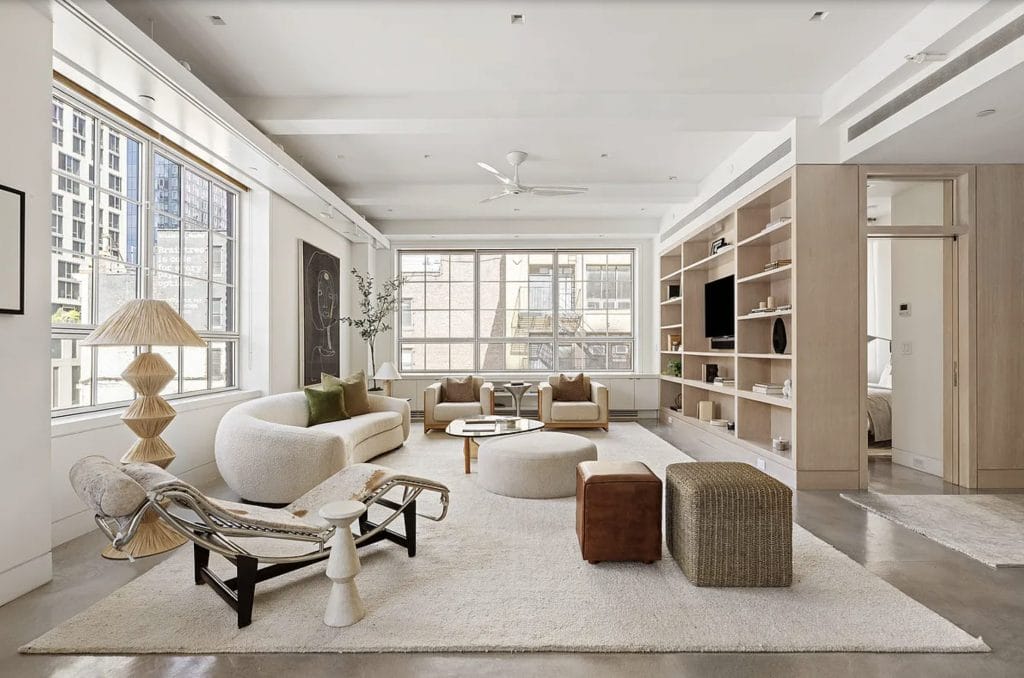
The concept of a home extends far beyond a physical structure. It embodies comfort, security, personal expression, and emotional well-being. In the modern era, homes have evolved from mere shelters to multifunctional spaces that integrate lifestyle, technology, and sustainability. Understanding the complexities of home design, management, and innovation requires a deep look into architecture, interior design, environmental considerations, and societal trends. This article explores the concept of home in depth, providing insights into how homes shape lives and reflect contemporary living standards.
Historical Perspective on Homes
Early Dwellings and Community Living
Historically, homes were constructed based on local resources, climate, and cultural practices. Early human settlements featured structures made from wood, mud, stone, or thatch. These dwellings served as protection from environmental hazards and predators, while also fostering communal living and social bonds.
Key characteristics of early homes include:
- Use of local, sustainable materials for construction.
- Integration of communal spaces for social and familial interactions.
- Function-driven design prioritizing shelter and survival.
Evolution Through Architecture and Design
As civilizations progressed, homes became a reflection of status, wealth, and cultural identity. Architectural styles emerged to blend aesthetics with functionality, resulting in diverse housing typologies such as villas, cottages, and urban townhouses. The Industrial Revolution further transformed home design, introducing mass-produced materials, standardized layouts, and urban housing solutions to accommodate growing populations.
Significant developments included:
- Introduction of indoor plumbing, electricity, and heating systems.
- Standardized construction techniques to improve efficiency and safety.
- Architectural movements emphasizing symmetry, style, and space utilization.
Modern Home Design and Functionality
Spatial Planning and Interior Design
Modern homes emphasize flexible layouts and functional spaces to accommodate diverse lifestyles. Open-plan living areas, multifunctional rooms, and ergonomic design elements enhance comfort, social interaction, and usability. Interior design complements architectural planning by integrating aesthetics, material choices, and personal preferences.
Key design considerations:
- Efficient use of space to maximize comfort and movement.
- Incorporation of natural light, ventilation, and spatial flow.
- Selection of durable, eco-friendly materials for longevity and sustainability.
Smart Homes and Technology Integration
Technological advancements have transformed homes into smart living environments. Home automation systems, connected devices, and intelligent security solutions enhance convenience, energy efficiency, and safety.
Examples of smart home technologies:
- Automated lighting, temperature control, and energy monitoring.
- Security systems with cameras, motion sensors, and remote access.
- Smart appliances that reduce energy consumption and improve convenience.
Sustainable and Green Homes
Environmental concerns and resource scarcity have led to the rise of sustainable housing practices. Green homes prioritize energy efficiency, renewable resources, and reduced ecological impact. Features such as solar panels, rainwater harvesting, and energy-efficient insulation are becoming standard in modern construction.
Benefits of sustainable homes:
- Lower utility costs through energy and water efficiency.
- Reduced carbon footprint and environmental impact.
- Enhanced indoor air quality and healthier living conditions.
Psychological and Social Dimensions of Home
Emotional and Psychological Significance
A home provides more than physical shelter; it serves as a center for emotional security, personal identity, and social bonding. The arrangement, décor, and personalization of living spaces can influence mood, productivity, and overall well-being.
Psychological aspects include:
- Creating a sense of ownership and belonging.
- Designing spaces that reduce stress and enhance relaxation.
- Promoting privacy and personal expression within shared environments.
Community and Neighborhood Impact
Homes are integral to broader community networks, influencing social cohesion, safety, and quality of life. Well-planned neighborhoods with access to amenities, parks, and public services enhance residents’ sense of community and security.
Community considerations include:
- Accessibility to schools, healthcare, and transportation hubs.
- Neighborhood planning to encourage interaction and inclusivity.
- Integration of green spaces and recreational areas to support mental and physical health.
Homeownership and Economic Considerations
Real Estate and Investment
Owning a home is often a primary financial asset and investment for individuals and families. Property value, market trends, and location are critical determinants in real estate decisions. Homes also serve as collateral for loans and play a significant role in wealth accumulation.
Key financial factors:
- Location and proximity to urban centers, employment, and amenities.
- Market valuation influenced by economic cycles, interest rates, and demand.
- Renovation and maintenance costs as ongoing investment considerations.
Rental and Flexible Housing Options
The rise of urbanization and changing lifestyle preferences has fueled demand for rental properties and flexible housing solutions. Co-living spaces, short-term rentals, and modular housing provide alternatives to traditional homeownership, catering to mobility, affordability, and lifestyle flexibility.
Advantages of flexible housing:
- Lower upfront financial commitments compared to buying a home.
- Access to prime locations without long-term ownership constraints.
- Adaptability to changing family or career circumstances.
Trends in Modern Home Living
Minimalism and Efficient Design
Minimalist design emphasizes simplicity, decluttering, and functional aesthetics. By reducing excess and focusing on essential elements, homeowners create serene, organized, and efficient living environments.
Features of minimalist homes:
- Clean lines, open spaces, and neutral color palettes.
- Multifunctional furniture and storage solutions.
- Emphasis on quality over quantity in décor and materials.
Wellness and Biophilic Design
Biophilic design integrates natural elements into home interiors, promoting health, relaxation, and well-being. This includes natural light, indoor plants, organic materials, and views of outdoor landscapes.
Benefits of biophilic homes:
- Improved mental health and reduced stress levels.
- Enhanced air quality and connection with nature.
- Support for natural circadian rhythms and sleep patterns.
Home Offices and Remote Work Integration
The increasing prevalence of remote work has transformed homes into hybrid living and working spaces. Dedicated office areas, ergonomic furniture, and soundproofing are essential for productivity and work-life balance.
Considerations for home offices:
- Ensuring separation between work and personal areas.
- Incorporating natural lighting and ventilation for comfort.
- Utilizing technology for seamless connectivity and communication.
Challenges in Homeownership and Living
Affordability and Housing Shortages
Urbanization and rising property prices have created affordability challenges, particularly in metropolitan areas. Housing shortages and demand-supply imbalances affect homeownership rates and rental markets.
Potential solutions:
- Incentivizing affordable housing projects through government policies.
- Developing high-density, sustainable housing solutions.
- Promoting financial literacy and access to mortgage options for first-time buyers.
Maintenance and Longevity
Homes require ongoing maintenance to ensure safety, functionality, and aesthetics. Neglecting repairs, structural issues, or outdated systems can lead to decreased property value and living quality.
Maintenance strategies:
- Regular inspection of structural components, plumbing, and electrical systems.
- Implementing preventative measures for energy efficiency and safety.
- Periodic renovations to adapt to changing family needs or design trends.
Environmental and Climate Considerations
Homes must be designed to withstand climatic challenges, including extreme weather events, temperature fluctuations, and environmental hazards. Climate-resilient construction and materials enhance durability and occupant safety.
Key measures:
- Use of weather-resistant materials and construction techniques.
- Incorporation of energy-efficient heating, cooling, and insulation systems.
- Flood mitigation, drainage solutions, and disaster preparedness planning.
Real-Life Applications and Case Studies
- Net-Zero Homes in California: Homes designed to produce as much energy as they consume through solar panels, energy-efficient appliances, and smart management systems.
- Tiny House Movement: Focused on minimalism, affordability, and mobility, tiny homes optimize space utilization while reducing environmental impact.
- Biophilic Apartments in Singapore: Integrating greenery, natural ventilation, and communal gardens to enhance urban living experiences.
Frequently Asked Questions About Home
What defines a home beyond its physical structure?
A home represents security, emotional well-being, personal identity, and social belonging, extending far beyond bricks and mortar.
How can homes be made more sustainable?
Through energy-efficient appliances, solar power, sustainable building materials, water conservation systems, and smart energy management.
What are the benefits of smart home technology?
Smart homes enhance convenience, safety, energy efficiency, and integration of daily tasks through automation and connected devices.
How does home design impact mental health?
Well-planned spaces with natural light, proper ventilation, organized layouts, and biophilic elements can reduce stress, improve focus, and promote overall well-being.
What are flexible housing options for urban residents?
Co-living spaces, modular homes, short-term rentals, and multi-functional apartments cater to changing work, lifestyle, and financial needs.
How can homeowners manage maintenance effectively?
Regular inspections, preventative measures, timely repairs, and adopting durable, sustainable materials ensure longevity and optimal living conditions.
Why is community planning important in residential areas?
Community planning supports safety, social interaction, access to amenities, and environmental quality, enhancing residents’ quality of life.
The concept of home continues to evolve with technological, environmental, and social advancements. Modern homes combine design, sustainability, and functionality to meet the diverse needs of residents. By prioritizing well-being, efficiency, and adaptability, homes remain central to personal identity, family life, and community cohesion.

Comments are closed.