

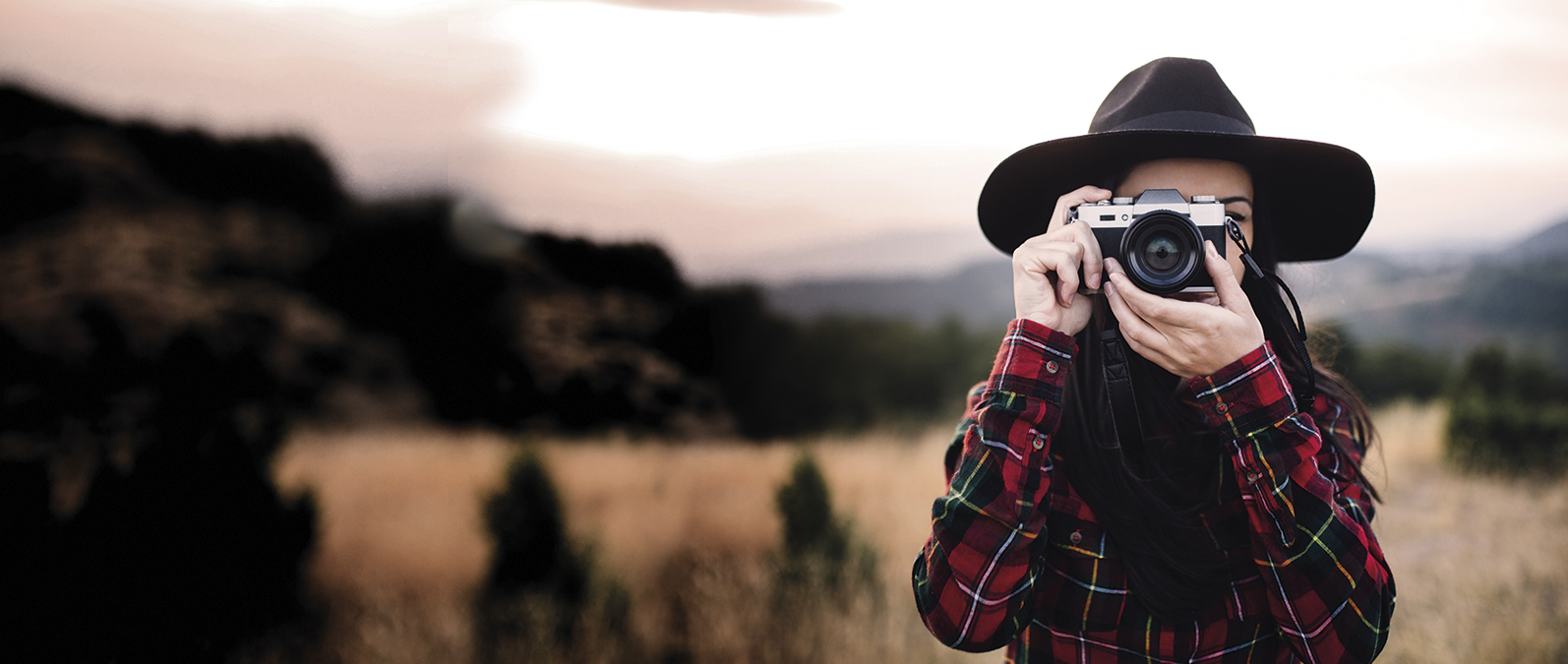
Photography, in its essence, is the art of capturing light to create compelling visual narratives. While many perceive it simply as snapping pictures, professional photography encompasses far more—melding technical precision, artistic expression, and emotional storytelling. This article delves into the complex world of photography, exploring its history, technical foundations, stylistic variations, and cultural significance, all while highlighting practical insights for aspiring and professional photographers.
The Evolution of Photography
Photography has undergone profound transformation since its inception in the early 19th century. The earliest photographs, captured using the daguerreotype process, required long exposure times and meticulous preparation. These images were prized for their clarity and permanence but were limited to small, single copies. Over time, advancements in photographic technology, such as film emulsions, portable cameras, and color processing, democratized photography, making it accessible to a broader audience.
With the advent of digital photography in the late 20th century, the field experienced an unprecedented shift. Digital cameras offered immediate feedback, high-resolution image capture, and post-processing flexibility, enabling photographers to experiment with compositions and techniques without the limitations of film. Today, smartphone cameras with computational photography are pushing boundaries even further, integrating AI to optimize exposure, focus, and color balance.
Technical Foundations of Photography
Mastering photography requires understanding its core technical elements. Each factor contributes to the quality, mood, and impact of an image.
Exposure
Exposure determines the brightness of an image and is controlled by three interrelated settings:
- Aperture: The size of the lens opening that controls how much light reaches the sensor. Wide apertures (small f-numbers) allow more light and create shallow depth of field, whereas narrow apertures increase focus range.
- Shutter Speed: The duration the sensor or film is exposed to light. Faster speeds freeze motion, while slower speeds produce motion blur for artistic effect.
- ISO Sensitivity: Measures the sensor’s sensitivity to light. Higher ISO enables shooting in low light but can introduce digital noise, while lower ISO maintains image clarity.
Composition
Composition shapes how viewers perceive an image. Techniques like the rule of thirds, leading lines, framing, and symmetry guide visual attention and create narrative depth. Composition is not only technical but deeply psychological, as it influences the emotional response of the viewer.
Focus and Depth of Field
Focus ensures the subject is sharp, while depth of field controls the area of the image that appears in focus. Photographers often use selective focus to isolate subjects or deep focus for complex scenes where clarity throughout the frame is essential.
Lighting
Lighting is a fundamental component that affects tone, texture, and mood. Mastery of natural light, artificial light, and mixed lighting conditions allows photographers to manipulate shadows, highlights, and contrast. Techniques such as golden hour photography, backlighting, and softbox lighting enable the creation of dramatic or subtle visual effects.
Genres of Photography
Photography encompasses a broad spectrum of genres, each with unique objectives and techniques.
Portrait Photography
Portraits capture the essence and personality of individuals or groups. Lighting, pose, and background are meticulously chosen to enhance features and convey emotion. Modern portrait photographers may integrate environmental context to tell a story beyond the subject’s appearance.
Landscape Photography
Landscape photography emphasizes the natural or urban environment. Capturing grand vistas requires an understanding of composition, perspective, and timing to harness natural light and weather conditions effectively.
Street Photography
Street photography documents candid moments in public spaces, reflecting everyday life. This genre demands quick reflexes, anticipation, and cultural awareness, as photographers often navigate spontaneous interactions and dynamic lighting conditions.
Commercial and Product Photography
Used for marketing and advertising, commercial photography requires precise lighting, composition, and styling to highlight products or services. It blends technical skill with creative storytelling to influence consumer perception and engagement.
Macro and Fine Art Photography
Macro photography reveals the intricate details of small subjects, while fine art photography emphasizes conceptual and aesthetic elements. Both genres demand patience, precision, and an eye for abstract patterns and textures.
The Intersection of Technology and Creativity
Modern photography increasingly integrates technology with creative expression. High-resolution digital sensors, mirrorless camera systems, and post-processing software like Adobe Lightroom and Photoshop empower photographers to manipulate images for artistic and commercial purposes. Computational photography, particularly in smartphones, leverages AI to automatically enhance color, exposure, and dynamic range, allowing for professional-quality results with minimal manual intervention.
Drones and 360-degree cameras have expanded the creative possibilities, enabling aerial and immersive perspectives that were previously difficult or impossible to achieve. Virtual reality (VR) and augmented reality (AR) applications are also transforming photography into an interactive experience, blurring the line between traditional images and experiential storytelling.
Ethical Considerations in Photography
Photography carries significant ethical responsibilities. Photographers must consider consent, privacy, and cultural sensitivity, especially when documenting people or sensitive environments. Ethical storytelling ensures that images respect the dignity of subjects while accurately representing reality. Photojournalists, in particular, must balance narrative impact with factual integrity, avoiding manipulation that misleads viewers.
Photography as a Career
A career in photography can take many forms:
- Freelance Photography: Offers flexibility across genres but requires self-promotion, networking, and business acumen.
- Commercial and Advertising Photography: Focuses on clients’ visual needs and often demands collaboration with creative teams.
- Photojournalism: Combines storytelling with investigative reporting, often under challenging or high-stakes conditions.
- Fine Art Photography: Prioritizes personal vision and conceptual expression, with monetization through exhibitions, galleries, and print sales.
Building a successful photography career involves technical mastery, a distinctive style, and strong marketing skills. Social media platforms, online portfolios, and personal branding play critical roles in attracting clients and audiences.
Practical Tips for Advancing Photography Skills
Improving as a photographer requires dedication and experimentation. Key strategies include:
- Continuous Learning: Studying the work of masters and contemporary photographers to understand techniques and styles.
- Hands-On Practice: Regularly shooting in diverse environments to build technical competence and adaptability.
- Critical Feedback: Engaging with peer communities or mentors to receive constructive critiques.
- Experimentation: Testing new equipment, techniques, and perspectives to develop a unique voice.
- Portfolio Development: Curating a cohesive body of work that demonstrates technical skill, creativity, and versatility.
Real-World Impact of Photography
Photography shapes perception and memory in profound ways. Iconic images influence public opinion, document history, and inspire social change. From war photography that highlights human suffering to environmental photography that drives conservation awareness, the medium holds the power to evoke empathy and action.
Moreover, photography contributes to cultural preservation, capturing architectural landmarks, traditional ceremonies, and everyday life for posterity. In digital media, visual storytelling remains a cornerstone for engaging audiences, underscoring photography’s role in communication, branding, and social influence.
Emerging Trends in Photography
The photography landscape continues to evolve with technological and cultural shifts:
- Mobile and Computational Photography: Smartphones dominate casual photography, incorporating AI-driven enhancements.
- Mirrorless Camera Systems: Lightweight and versatile, these cameras are replacing traditional DSLRs for professional use.
- Sustainability and Ethical Practice: Eco-conscious photographers prioritize responsible materials, energy-efficient production, and ethical representation.
- Integration with Multimedia: Photography increasingly intersects with video, interactive media, and immersive experiences.
- Personal Branding and Social Media Influence: Professional photographers cultivate personal brands and leverage digital platforms for visibility and monetization.
Frequently Asked Questions About Photography
1. How can I improve my photography without expensive equipment?
Focusing on composition, lighting, and understanding your camera’s capabilities is more impactful than investing in high-end gear. Experimenting with angles and post-processing software can elevate your images significantly.
2. What role does post-processing play in professional photography?
Post-processing enhances color, contrast, sharpness, and overall mood. It allows photographers to correct exposure issues, remove distractions, and create a cohesive visual style while maintaining authenticity.
3. How do I develop a unique photographic style?
Analyzing your favorite images, experimenting with techniques, and consistently practicing in specific genres can help define a distinctive voice. Reflecting your perspective, interests, and values through imagery sets you apart.
4. What skills are essential for commercial photography success?
Technical expertise, client communication, time management, and an understanding of marketing principles are critical. Commercial photographers must balance creative vision with client expectations and brand objectives.
5. How is photography influencing digital media and social trends?
Photography drives engagement on platforms like Instagram, Pinterest, and TikTok. Visual storytelling shapes trends, influences purchasing behavior, and enhances personal and corporate branding.
6. Can photography contribute to social change?
Yes. Photojournalism and documentary photography highlight societal issues, evoke empathy, and inspire activism. Ethical, impactful imagery can raise awareness and mobilize communities.
7. What are the best ways to showcase a photography portfolio online?
A combination of a personal website, curated social media profiles, and digital galleries enables visibility. Prioritizing high-resolution images, clear categorization, and storytelling context engages potential clients and audiences.
Photography remains both an art and a science, combining technical skill, aesthetic sensibility, and storytelling potential. Its evolution continues to reflect technological innovation, cultural shifts, and human creativity. By mastering the technical foundations, experimenting with styles, and ethically documenting the world, photographers contribute to an enduring legacy that captures both moments and meaning.

Comments are closed.